

Why Are Bees Important?

Learn About Our Humane Approach to Bees
What Do Bees Actually Do?
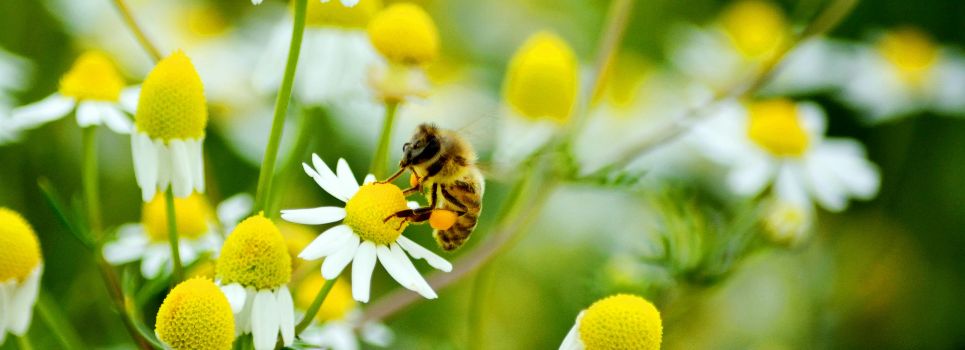
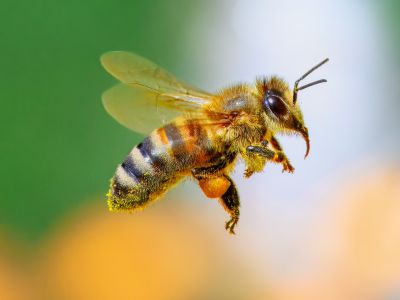
Bees are pollinators, meaning they transfer pollen between flowers. This process allows plants to reproduce and produce fruits, vegetables, and seeds. Every time a bee visits a flower, it helps grow crops and food, support plant life, and sustain ecosystems Without bees, many plants would not be able to survive.
The Role of Bees in Pollination
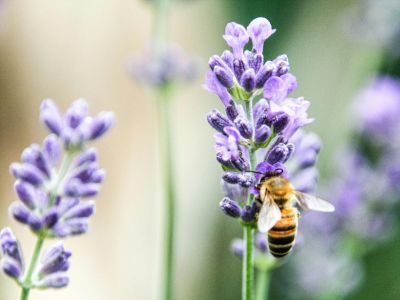
Pollination is the process of transferring pollen from one plant to another, enabling fertilization and growth. Over 75% of flowering plants rely on pollinators like bees. Bees are especially effective because they carry pollen easily on their bodies, visit many flowers quickly, and focus on specific plants.
Bees and Food Production
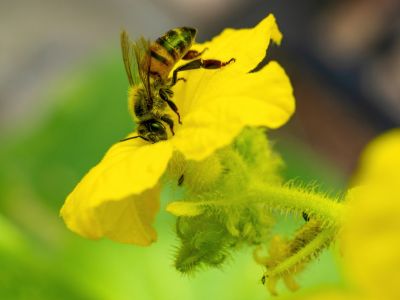
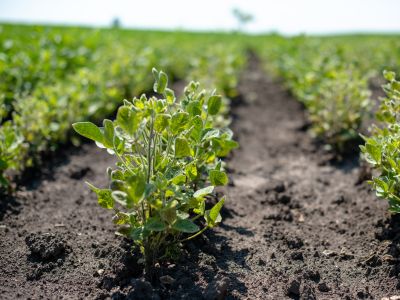
Many everyday foods rely on bee pollination, including Apples, Blueberries, Almonds, and Cucumbers. Without bees, crop yields would decrease, food prices would rise, and food variety would shrink.
Bees and Ecosystem Health
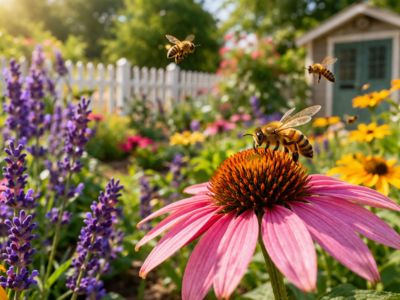
Bees help plants grow, which supports entire ecosystems. Plants provide food and shelter for animals, creating a balanced and healthy environment. Because of this, bees play a major role in maintaining biodiversity.
Protect Your Home and Protect Pollinators
At the same time, pest problems still need to be handled safely. Our team uses targeted, responsible treatments that control harmful pests while protecting beneficial insects like bees.