
What Do Flies Look Like?
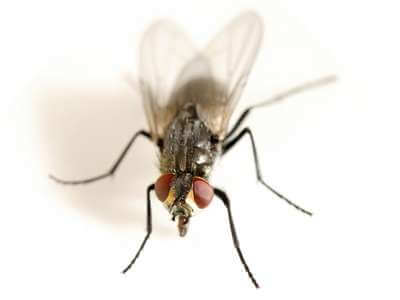
Flies come in many shapes and sizes, but all true flies share key characteristics: a single pair of wings, large compound eyes, and six legs. Common nuisance species are often black, brown, yellow, or metallic green. Some, like blow flies, have fine body hairs and a shiny appearance, while drain flies are fuzzy with broad wings that give them a moth-like look. Their size ranges from tiny gnats measuring about 1 millimeter to large horse flies over an inch long. Because flies reproduce rapidly and are drawn to garbage, decaying matter, and other unsanitary areas, they can easily pick up and spread harmful bacteria wherever they land.
Keep Flies Out of Your Home!
Protect your home from flies with safe, effective pest control solutions in Milwaukee.
Give Us a Call Today!What are the Signs of a Fly Infestation?
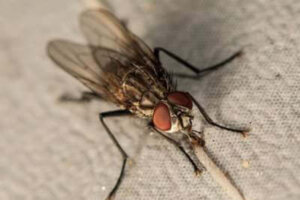
Fly infestations can occur for several reasons, usually related to accessible food, moisture, or shelter. House flies, fruit flies, and drain flies are attracted to decomposing organic matter such as garbage, overripe fruit, spills, and clogged drains, where they can quickly breed. Some species, like cluster flies, enter homes to overwinter in attics and wall voids, while others may develop around hidden sources such as a dead animal inside a wall. Flies commonly enter through open doors, windows, gaps in screens, or on food products, and are most often found in kitchens, near trash cans, around drains, and on windowsills.
Professional Fly Control in Milwaukee, WI
Get rid of flies with professional pest control you can trust. Advanced Wildlife and Pest Control provides expert fly pest control and extermination throughout Milwaukee and southeastern Wisconsin. Our certified specialists provide safe, effective, and reliable pest solutions to eliminate flies from your home or business. Our quality pest treatments and maintenance services will ensure your property remains pest-free year-round.

How Can I Prevent Flies in the Future?
The following prevention tips will help deter flies from your property.
- Regularly wash dishes, vacuum floors, and empty the garbage.
- Store food inside airtight containers or in the refrigerator.
- Clean up crumbs, spills, and food debris.
- Fix leaky pipes, faucets, and fixtures.
- Place weatherstripping around windows and doors.
- Repair any torn door or window screens.
- Regularly clean clogged sink and shower drains.
- Inspect fruits, vegetables, and potted plants before bringing them indoors.
What Damage Can Flies Cause?
Flies may seem harmless, but can pose a health issue if left unchecked. These filthy insects can transmit over 100 pathogens, including Salmonella, E. coli, typhoid fever, dysentery, and cholera. Flies can spread pathogens by regurgitating and excreting on food, utensils, and food preparation surfaces. Every time a fly lands, it deposits thousands of microbes that can cause serious illness. Flies reproduce rapidly because a single female fly can lay up to 500 eggs in a short period.
- Fly FAQs -
Frequently Asked Questions
What do flies eat?
Flies eat organic filth and waste, sugary substances, overripe produce, and other organic materials. They have soft, spongy mouthparts used for sucking up liquids. Flies will regurgitate digestive juices to liquefy solid food into a liquid that they can suck up.
Do flies bite?
Yes, some flies bite. Mosquitoes, deer flies, black flies, and horse flies can all bite humans. Their mouthparts pierce the skin to feed on blood, leaving behind painful, itchy red welts.
Where do flies lay eggs?
Flies can lay eggs in garbage, animal feces, fruits, vegetables, yard debris, soil, and the slimy organic film in drain pipes and garbage disposals.
What is the lifecycle of flies?
A fly’s life cycle is very short. Depending on the species, the life expectancy of a fly is generally a month or, in some cases, with overwintering flies, up to a year. Flies go through a complete metamorphosis. Female flies commonly lay their eggs on rotting material, feces, and other food sources. The eggs may hatch into larvae in as little as a day. Fly larvae, also known as maggots, are small, pale legless worms. During the larval stage, the fly molts several times and will create a pupal case. An adult fly will emerge from the pupal case in three to six days.
Can I DIY fly control?
DIY methods of fly control are often ineffective. Over-the-counter pesticides only kill a few foraging flies and do not provide any residual effects. Our trained pest control professionals use an integrated pest management approach to target the flies, along with their food sources and breeding sites. Sanitation, exclusion, and monitoring are necessary for long-term results.
- Types of Flies -
Common Flies in Wisconsin

Blow Flies
Cluster Flies

Drain Flies

Fruit Flies
Fungus Gnats
