

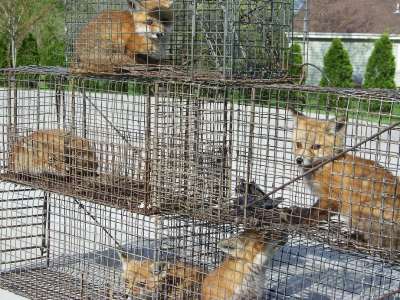
Professional Fox Removal in Milwaukee, WI
If you’ve noticed a fox frequently on your property, it may be time to contact the animal control experts at Advanced Wildlife and Pest Control. While typically shy, foxes can pose a risk to small pets and, in rare cases, to children. Our certified wildlife removal specialists have the training and experience to safely trap, remove, and implement exclusion measures to keep foxes away from your home or business. Trust our wildlife experts to protect your home and family from the dangers posed by foxes!
Keep Foxes Out of Your Yard!
Keep foxes away with professional wildlife exclusion services in Milwaukee, Wisconsin.
Give Us a Call Today!Are Foxes Dangerous?
Foxes are wild animals that can pose a threat to both people and pets. Although they are generally shy, foxes may become aggressive under certain circumstances. Extra caution should be taken with children and pets, particularly at night when foxes are most active. In addition to potential attacks, foxes can carry diseases such as rabies, canine distemper, and tularemia, which can be transmitted to dogs and cats through bites or close contact.
What Does a Red Fox Look Like?
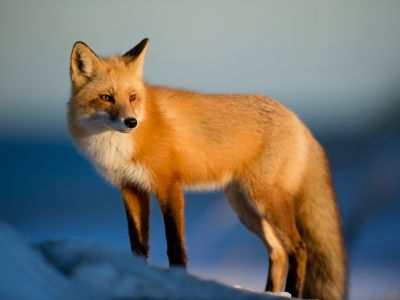
Foxes are intelligent wild canines with narrow snouts and bushy tails. The red fox has rusty red fur with white markings on the throat, underside, and tail tip, while the ears, legs, and feet are black. Adult red foxes typically measure about 3 feet in length, stand around 2 feet tall, and weigh between 6 and 20 pounds. Red foxes have exceptionally keen hearing, allowing them to detect low-frequency sounds such as small animals digging underground, which they can then excavate from soil or snow to catch their prey.
What Does a Grey Fox Look Like?
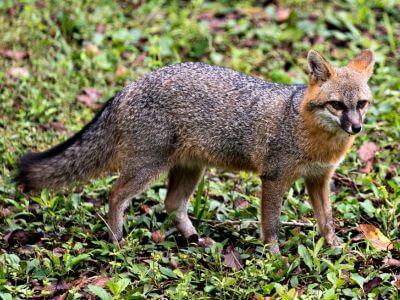
Gray foxes are slightly smaller than red foxes, typically weighing between 7 and 14 pounds. Their fur is a peppery gray with reddish-brown patches on the sides, chest, neck, and legs, and a line of black fur runs along the top of their tails to the tip. Unique among foxes, gray foxes are skilled climbers, using their forelegs to grasp tree trunks and pushing upward with their hind legs. They are primarily nocturnal, spending the day resting in dens or hollow trees and becoming most active at night.
Fox Exclusion
Foxes may enter residential properties in search of food, water, and shelter. While they generally avoid people, foxes have adapted to living in suburban areas, including Milwaukee, Wisconsin. Our heavy-duty mesh fencing is designed to keep foxes out from under decks, porches, and sheds. Professionally installed, the fencing is buried 12 to 18 inches deep to prevent burrowing and future intrusions. Contact our wildlife specialists today for safe and effective fox removal and long-term exclusion solutions.
- Fox FAQs -
Frequently Asked Questions
What do foxes eat?
Foxes are omnivores that mainly prey on squirrels, rabbits, rodents, and other small mammals. In the fall and winter, when food is scarce, foxes will also eat fruits, vegetables, and berries. In urban environments, foxes may enter yards to feed on pet food or garbage. Foxes may attack domestic pets.
Where do foxes live?
Foxes are found throughout Wisconsin. They prefer open grasslands, farmlands, and forests. However, foxes are very adaptable, and it is not uncommon to see foxes living in suburban or urban areas in Milwaukee. Foxes make dens out of underground burrows, hollow trees, logs, or covered areas. In urban areas, foxes will den under decks, porches, and sheds.
When do foxes have babies?
Red and grey foxes are monogamous and will mate for life, with mating occurring from January to March. The gestation period is about two months, with young born from March to May. Foxes have one litter per year. The average litter size is 3 to 5 pups. Fox pups are fully weaned when they are about three months old and are able to hunt on their own when they are four months old. The pups leave their mother in the autumn.
How long do foxes live?
The average lifespan of a fox in the wild is three to four years. Coyotes and bobcats prey upon foxes, but humans pose the greatest threat to this species. Automobiles, shooting, improper trapping, and farm equipment tend to be the major causes of death.
What does fox poop look like?
Fox droppings are similar to coyote droppings but smaller. The appearance of the scat depends upon the fox’s diet and may include bones, fur, feathers, or seeds.
What do fox tracks look like?
Foxes have four toes on their hind feet and five on their front feet. The fifth digit on the forelimb is called a dew and does not leave a noticeable mark. Foxes have semi-retractile claws that usually appear in their tracks as small dots above the toe pad impressions.
Grey fox tracks are slightly smaller than red fox tracks. A red fox’s pawprint is about 1.5 to 2.5 inches long and wide. A grey fox’s pawprint is about 1.25 to 1.75 inches long and wide. The hind pawprints are often slightly smaller. Like coyote tracks, fox tracks tend to run in a straight line. A fox’s hind foot may also overlap the track of its front foot.
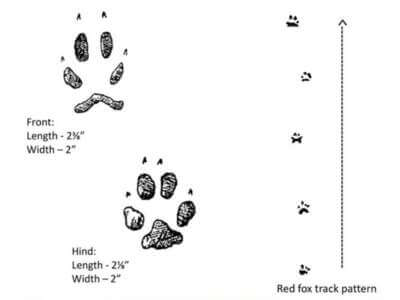
Illustration by Dan Goodman
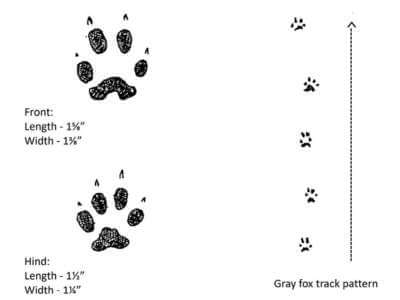
Illustration by Dan Goodman