— PUBLIC HEALTH
Histoplasmosis:
The Hidden Danger in Bat Guano
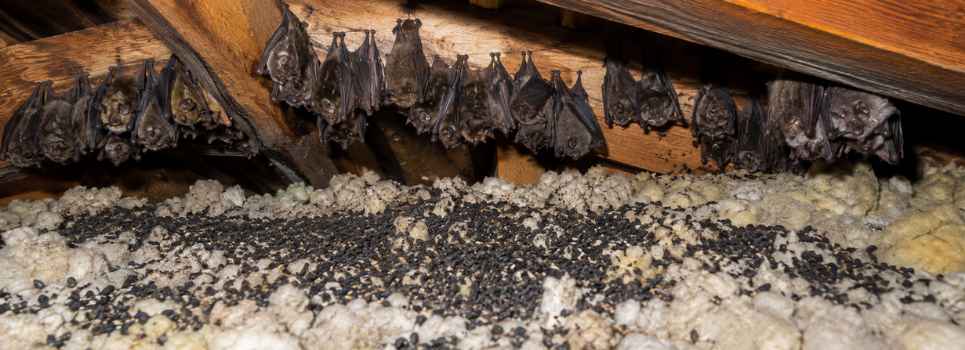
Removing bats is only half the job. The guano they leave behind can also pose a serious health risk long after they’re gone.

Histoplasmosis: The Hidden Danger in Bat Droppings
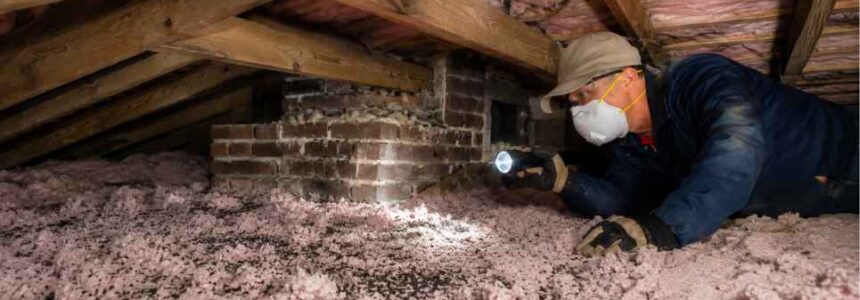
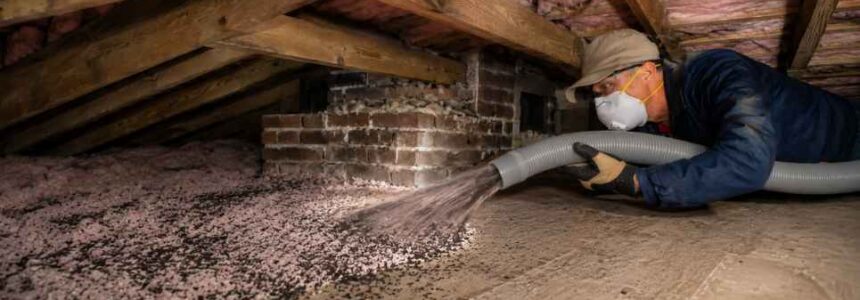
Most homeowners who discover bats in their attics focus on getting the animals out, but the bigger health concern is what they leave behind. Bat guano and bird droppings that sit undisturbed for months or years can grow a harmful fungus. When cleaning an attic, replacing insulation, or starting a renovation project, you may disturb accumulated droppings, which can release microscopic fungal spores into the air. Once airborne, these spores can be inhaled by anyone nearby, potentially leading to a serious respiratory illness.
IN THIS ARTICLE
- Overview
- Symptoms
- Causes
- Health Risks
- Treatment
- Prevention
RELATED ARTICLES
Let Us Safely Remove Bats and Bat Guano from Your Home & Attic!
What Is Histoplasmosis?
Histoplasmosis is a lung infection caused by inhaling spores of the fungus Histoplasma capsulatum. It is not a virus, not a bacterium, and not something you catch from another person. You get it by breathing in dust kicked up from contaminated soil or bat droppings.
The fungus lives quietly in the environment until it’s disturbed. Bat guano sitting untouched in a sealed attic isn’t releasing spores into your bedroom. But the second that material is swept, vacuumed, or walked through, it turns into a fine dust that stays in the air, and anyone nearby can inhale it.
Histoplasmosis Symptoms to Watch For
The mildest cases of histoplasmosis often show no symptoms at all. More severe infections can become life-threatening, especially without prompt treatment. When symptoms do develop, they typically appear 3 to 17 days after breathing in the fungal spores.
- Fever and chills
- Chest pain or discomfort
- Shortness of breath
- Dry or nonproductive cough
- Headache
- Night sweats
- Fatigue and general malaise
- Muscle aches
- Loss of appetite
Well to call a doctor
Histoplasmosis is frequently mistaken for pneumonia or bronchitis. If you develop flu-like symptoms within a few weeks of cleaning bat droppings, working in an old attic or barn, or another known exposure, tell your healthcare provider. Seek medical attention if your symptoms worsen, don’t improve after a week, or if you have a weakened immune system.
Where Does Histoplasmosis Come From?
Histoplasma thrives in damp, organic-rich soil, and it grows especially well in material loaded with bat guano or bird droppings. The nitrogen content in droppings essentially fertilizes it. In the United States, the fungus is very common in Midwestern states, including Wisconsin.
Attics with Bat Colonies
Years of accumulated guano in a warm, enclosed space with poor ventilation is the most common area of exposure.
Old Barns & Outbuildings
Rural properties often have decades of bat and bird waste in haylofts, rafters, and grain areas.
Chimneys & Soffits
Chimney swifts, starlings, and bats nest in these tight cavities, and droppings pile up directly above living spaces.
Pigeon & Starling Roosts
Ledges, signage, rooftop HVAC units, and warehouse rafters on Milwaukee-area commercial buildings.
Chicken Coops
Backyard flocks are increasingly common in Wisconsin, and coop cleanout stirs up exactly the kind of dust that carries spores.
Caves & Demolition Sites
Caving, spelunking, and tearing down or remodeling old structures all disturb long-settled material.
One more detail worth noting: spores can remain viable in guano for years. A colony that moved out three summers ago doesn’t mean the attic is safe. The droppings are still a hazard.
What Are the Health Risks?
Most people who inhale Histoplasma spores never get sick at all, or feel mildly under the weather and recover on their own without ever knowing why. That’s the common outcome.
But the dose matters enormously. A homeowner who spends a weekend shoveling out an attic full of guano without a respirator is inhaling a far heavier load of spores than someone simply passing through a contaminated area. Heavy exposure in a confined space is what turns a non-event into a real illness.
Histoplasmosis shows up in a few different forms:
How Is Histoplasmosis Treated?
Diagnosis typically involves a urine or blood antigen test, sometimes paired with chest imaging, blood work, or a culture. It usually takes a few days to a couple of weeks to receive results. Treatment depends entirely on severity:
How to Prevent Histoplasmosis
It’s hard to avoid breathing in microscopic fungal spores. But you can take the following steps to reduce your risk of infection.

The key thing to understand
Disturbance is the trigger. The riskiest moment in a bat or bird infestation is almost always the cleanup — not the infestation itself.